
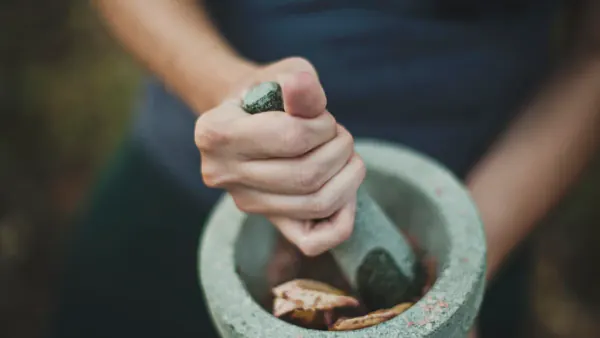
When whole spices are ground into fine powders, mechanical friction inevitably generates heat. In mass-scale industrial pulverizers running at 3,000 to 5,000 RPM, temperatures inside the milling chamber regularly exceed 85°C to 100°C.
To the consumer, the resulting spice powder looks normal. But under a laboratory microscope, the difference is night and day: excessive heat scorches delicate essential oils, vaporising the aromatic volatile compounds before the spice ever reaches a kitchen.
The Chemistry of Spice Aromas
The fragrance and medicinal value of Indian spices reside entirely in microscopic volatile oils:
- Coriander Powder: Linalool and geranyl acetate (boiling point: 60°C).
- Cumin Powder: Cuminaldehyde and terpene hydrocarbons (heat-sensitive).
- Black Pepper: Piperine and caryophyllene.
- Turmeric Powder: Curcuminoids and turmerone.
When spices are ground at high temperatures, these volatile oils evaporate into the mill exhaust air. What ends up in the pouch is partially exhausted fibre with dull colour and reduced aroma.
What is Low-Temperature Cold Milling?
Low-temperature grinding (often referred to as cool milling or slow grinding) regulates the internal chamber temperature below 45°C throughout the entire pulverisation process:
- Slow-Speed Multi-Stage Milling: Spices are reduced gradually in stages rather than blasted in a single high-impact pass.
- Cold Air Circulation: Continuous chilled air passes through the milling cyclonic separators, carrying heat away instantly.
- Moisture Equilibrium: Ambient relative humidity is controlled so powders do not absorb moisture or cake together.
Cold Grinding vs High-Speed Commercial Milling
| Factor | High-Speed Pulverizing (80°C - 100°C) | HIPA Controlled Low-Temp Milling (<45°C) |
|---|---|---|
| Essential Oil Retention | 40% – 60% lost to friction heat | >92% volatile natural oils retained |
| Flavour Potency in Cooking | Requires larger quantities for flavour | Strong aroma with smaller kitchen pinches |
| Shelf Life & Stability | Dulls and turns stale in 3–4 months | Stays fresh and fragrant for 12 months |
| Colour & Pigment | Darkened or toasted from heat stress | Vibrant natural crop colour preserved |
Why Chefs and Caterers Prefer Cold-Milled Spices
Professional South Indian caterers and cloud kitchens in Chennai rely on spice consistency. When a spice powder retains its natural oil density:
- Gravies achieve a natural gloss without needing excessive added cooking oil.
- Less powder is required per dish, reducing cost per plate.
- The aroma blooms instantly when tempered into hot oil or ghee.
Discover HIPA Masala's range of low-temperature milled spices or explore B2B bulk orders for food businesses.